What I Eat With Celiac Disease (And How I Stay Gluten-Free Without Feeling Restricted)
What is Celiac Disease?
Celiac disease is an autoimmune condition where the body reacts to gluten a protein found in wheat, barley and rye. When gluten is eaten, the immune system mistakenly attacks the lining of the small intestine.
Inside your gut are tiny, finger-like structures called villi, which help absorb nutrients from the food you eat. When someone with celiac disease consumes gluten, these villi become damaged and flattened.
This means your body struggles to properly absorb essential nutrients like iron, B vitamins and magnesium, which can affect everything from your energy levels to your hormones, skin and mental wellbeing.
Over time, this can lead to a wide range of symptoms, not just digestive, but full-body.
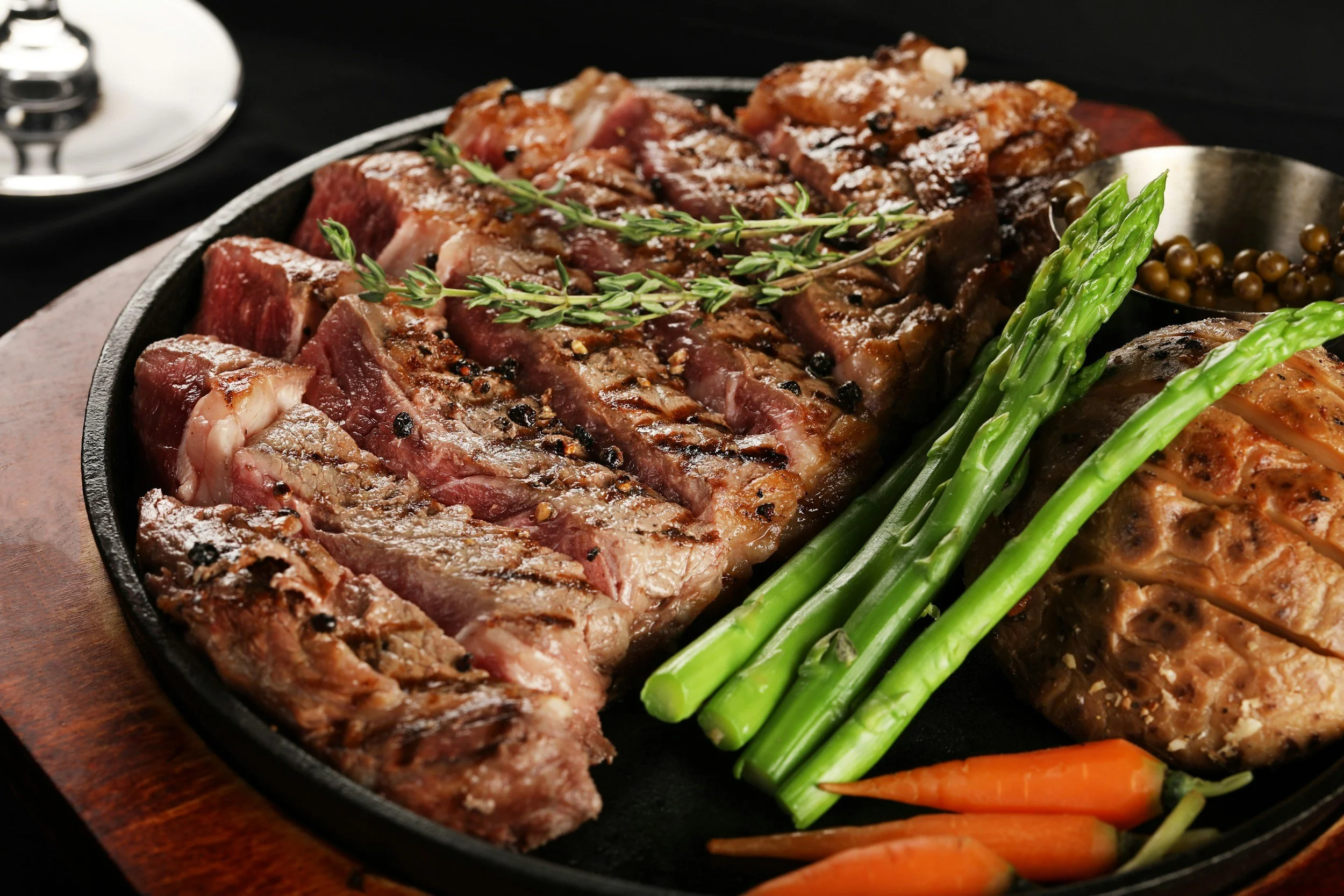
What Do I Actually Eat?
This is one of the most common questions I get:
“But what do you eat?” And honestly, I eat really well.
Going gluten-free doesn’t mean living off restrictive foods or missing out. In many ways, it encourages you to eat more whole, nourishing foods.
Here’s what that looks like for me:
🥑 Breakfast
Eggs with avocado, mushroom, asparagus
Kefir yogurt with berries, flaxseed and chai seeds
Salmon and eggs (sometime a GF bagel)
🥗 Lunch
Chicken or tuna new potato salad
GF oat crackers with cheese and cucumber
Jacket potato (I usually have sweet potato) with cottage cheese and tuna
🍽️ Dinner
Steak, chicken or lamb with roasted vegetables
White fish with greens and potatoes
Stir-fries with gluten-free tamari, vegetables and protein
🍓 Snacks
Nuts and seeds
Yogurts
Boiled eggs
Gluten-free crackers with hummus
🍫 Sweet Treats (because balance matters)
I always say, it’s not about cutting everything out.
Dark chocolate
Chocolate buttons
Flakes
Crème brûlée
For me, including something like a few squares of dark chocolate is part of a balanced, realistic lifestyle.
Dark chocolate can also have some benefits — it contains antioxidants and can support mood — but more importantly, it helps you feel satisfied so you’re less likely to feel restricted or deprived.
And honestly, being gluten-free isn’t as restrictive as people think. At its core, it’s simply about eating real, whole foods.
All vegetables are naturally gluten-free. Fruits, salads, good-quality meats, fish, eggs, rice, potatoes, these are all foods your body recognises and thrives on.
So rather than feeling like something is being taken away, it can actually be a shift towards eating more simply and more naturally.
When you start to feel better, more energy, a clearer mind, calmer digestion, it becomes less about restriction and more about feeling good in your body.
Can you believe, I no longer crave that warm bread roll and butter starter when I’m eating out. ▾
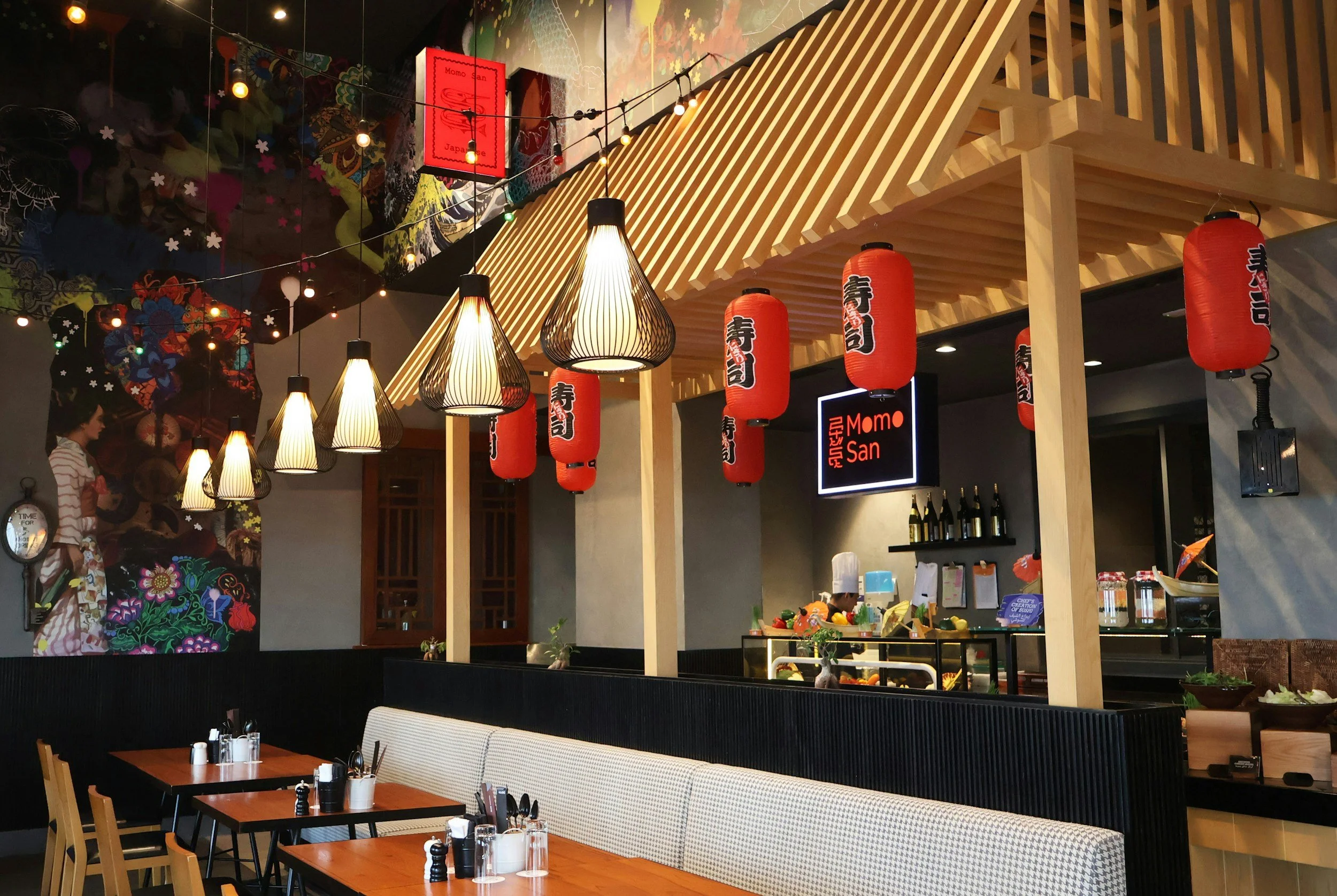
Eating out
Eating out can feel overwhelming at first but it gets easier once you know what to look for and so many restaurants now offer great gluten free options.
Things that help:
Asking questions (don’t be afraid to!)
Choosing restaurants that understand gluten-free properly
It’s also always worth checking things like shared fryers - for example with chips or onion rings, as these are often cooked alongside gluten-containing foods, which can lead to cross-contamination.
The same goes for drinks, especially cocktails. Some syrups, flavourings or pre-mixes can contain gluten, so it’s always worth double-checking if you’re unsure.
One thing I always recommend is using the
📱 Find Me Gluten Free app
It’s a great way to find safe places to eat, read reviews, and feel more confident when you’re out.

Celiac disease isn’t the end of enjoyment, for many, it’s the beginning of feeling better, clearer and more connected to their body and health.
Celiac disease can feel overwhelming at first, but it doesn’t have to limit your life. As someone who has celiac disease myself, I know how confusing it can feel in the beginning, especially when you’re trying to figure out what’s “safe” and what isn’t. But over time, it becomes second nature.
And more importantly, you can feel better than you did before.
If you’ve been diagnosed with celiac disease or you’re struggling with gut symptoms and don’t feel like yourself there is a deeper level of support available.
I help women understand what’s going on in their body and gently bring things back into balance, from gut health to hormones, energy and lifestyle.
If your unsure if you may have Celiac and want to know more about testing, click here - https://www.healinghersoftly.com/blog/how-to-test-for-celiac-disease
You can explore working with me here.
Could your Blood Sugar Be Affecting Your Weight, Mood & Energy?
Take my FREE 2-minute Blood Sugar Balance Quiz?
You’ll receive:
✅ Your personalised blood sugar score
✅ A tailored guide based on your results
✅ Simple steps to help you feel more energised and in control