How To Slow Ageing Naturally?
The overlooked connection between blood sugar, inflammation, stress and skin health.
After working in the skincare industry for over a decade, I’ve seen so many women spend hundreds, sometimes thousands on skincare products hoping to “fix” ageing skin.
And while good skincare absolutely matters, no cream can completely outwork what’s happening internally.
Chronic stress, inflammation, poor sleep, blood sugar instability, smoking, alcohol, ultra-processed foods and gut imbalances all influence how we age, both internally and externally.
The skin often reflects what’s happening beneath the surface.
Ageing is a natural part of life.
But many women are now noticing themselves feeling:
exhausted
inflamed
puffy
hormonally unbalanced
mentally drained
and like they’ve suddenly aged “overnight.”
Skin changes. Energy changes. Hair changes. Weight changes.

One of the biggest missing conversations in women’s health right now is the connection between:
blood sugar - inflammation - hormones - accelerated ageing.
Not just ageing on the outside, but how we feel internally too.
What Does Blood Sugar Have To Do With Ageing?
Whenever we eat carbohydrates or sugar, the body breaks them down into glucose.
Glucose is our body’s main energy source and is completely normal and necessary for life.
The problem is that modern lifestyles often create repeated spikes and crashes in blood sugar throughout the day.
Things like:
ultra-processed foods
chronic stress
poor sleep
excessive caffeine
alcohol
lack of movement
hormone changes
and eating patterns that constantly spike insulin
…can all contribute.
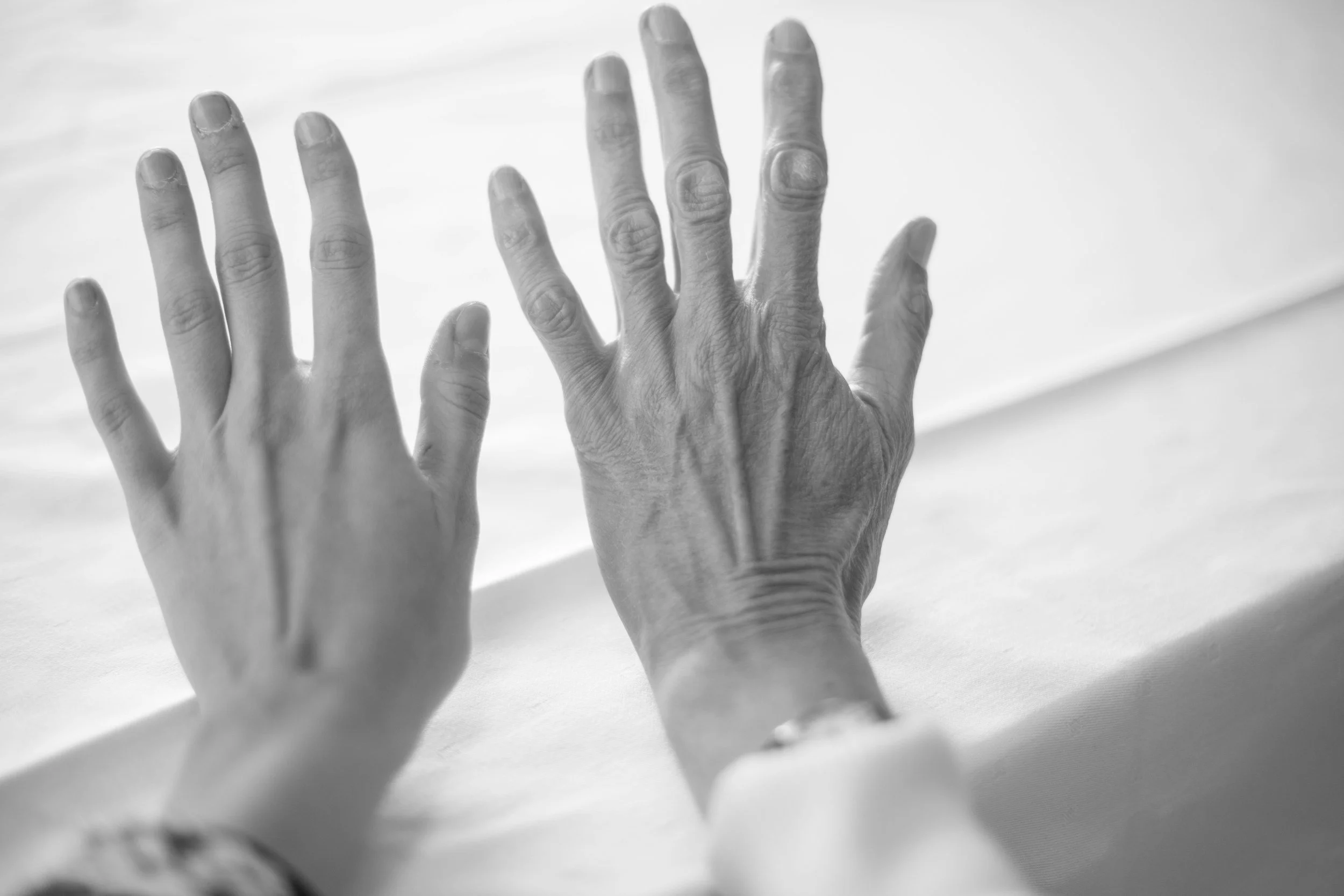
The “Caramelisation” Effect On The Skin
One process linked to ageing is something called glycation. Some experts describe it almost like a “caramelisation” process inside the body.
Repeated blood sugar spikes throughout the day may contribute to inflammation and a process known as glycation, where excess sugar attaches to proteins like collagen and elastin.
Over time, this may impact:
wrinkles
sagging
dullness
puffiness
inflammation
loss of elasticity
and skin that suddenly feels different.
And inflammation is one of the biggest drivers of accelerated ageing.
Signs Your Body May Be Struggling With Blood Sugar Balance
Energy crashes during the day
Feeling shaky, anxious or hungry quickly after eating
Brain fog
Cravings for sugar or caffeine
Weight gain around the middle
Poor sleep
Waking up exhausted
Puffy or inflamed skin
Feeling constantly “wired but tired”
How To Support Healthy Ageing Naturally
The good news is that supporting the body doesn’t have to mean extreme dieting or obsessing over food.
Often, the biggest changes come from simple foundations:
eating enough protein
balancing blood sugar
reducing ultra-processed foods
walking after meals
prioritising sleep
managing stress
supporting gut health
strength training and movement
reducing inflammation where possible
Small consistent habits matter far more than perfection.

Healthy ageing isn’t about trying to look 20 forever.
It’s about supporting the body in a way that helps you feel:
energised - strong - mentally clear - confident
- and well from the inside out.
During my years working as a skincare specialist, this was a pattern I saw time and time again.
Women trying everything externally to “fix” their skin, expensive creams, treatments, facials and products, while often struggling internally with stress, inflammation, gut issues, poor sleep, blood sugar imbalance and hormonal changes.
And while skincare absolutely has its place, it became increasingly clear to me that healthy skin and healthy ageing often require a more holistic approach.
Because sometimes the skin is reacting to what’s happening internally, not just externally.
Whether your goal is to:
feel more energised
support healthy ageing
improve your skin
reduce bloating and inflammation
balance your blood sugar
feel more confident in your body
or simply understand your health more deeply
…small consistent changes can make a huge difference over time.
Through Healing Her Softly, I help women better understand the connection between gut health, blood sugar balance, hormones, inflammation and overall wellbeing — using realistic and supportive approaches that fit real life.
Could your Blood Sugar Be Affecting Your Weight, Mood & Energy?
Take my FREE 2-minute Blood Sugar Balance Quiz?
You’ll receive:
✅ Your personalised blood sugar score
✅ A tailored guide based on your results
✅ Simple steps to help you feel more energised and in control